
How Britain Sold Southern Cameroons
Many of our people say “Britain sold us.” It is a powerful emotional statement, and it captures the pain of abandonment. But if we take that phrase literally, the entire UN Trusteeship system collapses. Because under international law, a trust territory cannot be sold, traded, transferred, or handed over like property. It belongs to its people, not to the administering power.
11/23/20252 min read
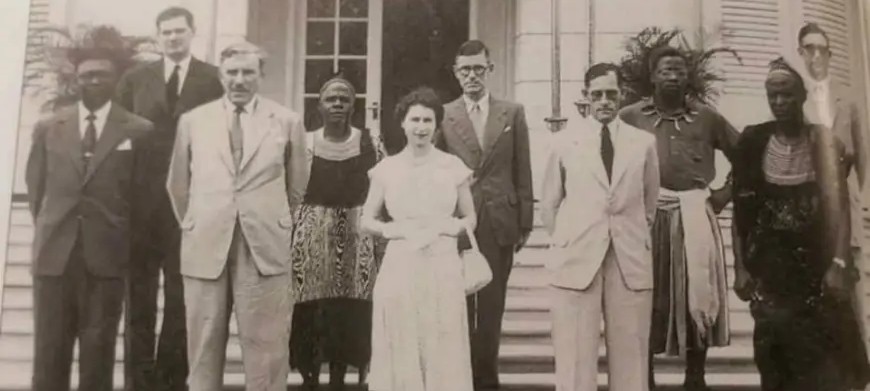
The truth is clearer and more powerful:
Britain did not sell Southern Cameroons. Britain failed to complete its administrative authority under the UN Trusteeship system.
Understanding this distinction is important because it strengthens our legal case instead of weakening it. Here is what actually happened.
1. Britain Was Not the Owner of Southern Cameroons
Under Article 76(b) of the UN Charter, Britain did not own the territory. They were only:
a temporary administrator
a supervising authority
a trustee acting on behalf of the people
accountable to the UN Trusteeship Council
Because of this, they did not have the power to sell, trade, or give away Southern Cameroons. They had only one lawful responsibility:
Prepare the people for self-government or independence and complete the decolonization process.
This is the duty Britain failed to complete.
2. Britain Abandoned the Process Before Finishing It
Resolution 1608 required Britain to do three specific things before leaving:
Participate in the tripartite meeting
Help negotiate the union treaty
Ensure the treaty was signed, ratified, and deposited at the UN
Britain completed none of these.
Instead, Britain:
rushed the plebiscite
refused to draft a treaty
avoided the mandatory negotiations
withdrew before the union was legally formed
walked away on 1 October 1961 with the job unfinished
They left Southern Cameroons without the legal protection that every trust territory was supposed to receive.
This was not a sale.
It was abandonment.
It was unfinished administrative authority.
3. The Trusteeship System Has Rules. Britain Did Not Follow Them.
Under the Trusteeship System, the Administering Authority must:
prepare the territory politically
ensure lawful transition
supervise negotiations
legally transfer power
report annually to the UN
deposit treaties and agreements
Britain failed in the most important part:
the legal transfer of authority.
They left without completing the treaty process required by Resolution 1608. That is like a judge walking out of the courtroom before signing the verdict. Nothing is complete. Nothing is legal. Nothing is valid.
When Britain left, the administrative authority ended but the legal process was not finalized.
This is why Southern Cameroons is legally in an unresolved state today.
4. If Britain Literally Sold Us, the Trusteeship System Collapses
If we claim Britain sold Southern Cameroons:
then the UN system failed
then trust territories had no protection
then the Trusteeship Council was meaningless
then any trustee power could sell or trade people
then Article 76(b) becomes a joke
But that is not what happened.
Britain did not sell us because they could not sell us. The UN Charter does not allow it. The Trusteeship Council does not allow it. International law does not allow it.
Britain’s failure was not a sale.
Britain’s failure was walking away before completing their legal mandate.
5. The Legal Consequence: Decolonization Was Never Completed
Because Britain did not complete the administrative authority:
the treaty was never signed
the union never existed in law
Southern Cameroons never legally joined LRC
the trusteeship ended without fulfilling its purpose
the decolonization remains incomplete
This strengthens the Southern Cameroons case today because:
you cannot claim a legal union when the Administering Authority failed to complete the process required by the United Nations.
Britain’s failure is the reason there is a legal vacuum today.
Final Message You Can Use Publicly
Here is the line that explains it perfectly:
Britain did not sell us. They left without finishing their administrative authority under the UN Trusteeship System. They were supposed to complete the treaty that would legally define our future. They walked away before doing it. That is why Southern Cameroons remains an incomplete decolonization case to this day.
Contact
Reach out for research inquiries or collaborations.
Phone
+1 (281) 315-9387
© 2025. All rights reserved.

